After a memorable week by Lake Constance with friends (read here: The One at Lake Constance (Bodensee))—full of laughter, long conversations, and postcard-perfect views—it was time for a new chapter. As our travel companions headed home, the two of us were left with open roads and open minds. Next stop? The intriguing Grand Duchy of Luxembourg, a place I knew almost nothing about and yet would soon come to admire.
Over the next two days, Luxembourg surprised me with its calm elegance, vibrant cultures, and unexpected moments of kindness. Here’s what left a lasting impression—and a few reasons I think it’s worth adding to your travel wish list.
Luxembourg
Luxembourg is truly fascinating. Before visiting, I knew very little about it. Here are some interesting facts I discovered:
- Officially, it is the Grand Duchy of Luxembourg—a representative democracy ruled by a constitutional monarch, and the world's only remaining sovereign grand duchy.
- The country boasts the highest GDP per capita in the world, with recent figures surpassing $140,000 per person.
- There are three official languages: Luxembourgish, French, and German. All three are used actively in daily life.
- Luxembourgish is the most common native language and is also the national language.
- French and German are official languages as well, primarily used in administration; French, in particular, dominates for historic reasons.
- In practice, Luxembourgish is used in everyday conversation. French is the sole language of legislation and is standard in government, administration, justice, official communications, advertising, and road signs. German is widespread in the media.
- Children learn all three languages: school starts in Luxembourgish (first year), continues in German, and switches to French in secondary school. Proficiency in all three is required to complete secondary school. English is also taught.
- Nearly half (47.2%) of residents are foreign nationals, with around 180 different nationalities represented.
- Luxembourg is a founding member of key organizations—the EU, NATO, OECD, United Nations, and Benelux (the alliance of Belgium, Netherlands, and Luxembourg).
- It is one of three EU capital cities (along with Brussels and Strasbourg) and hosts major EU institutions such as the European Parliament, European Court of Justice, and the European Commission.
One of the Richest Counties in the World
I must admit: I fell in love with Luxembourg City. It exudes a calm I rarely expect to find in a capital, especially one popular with tourists. Everything is remarkably clean, the architecture—both old and new—is beautifully maintained, and people are genuinely polite and kind, always quick to smile.
The city has also managed to weave greenery throughout: although the central area is over 1,000 years old and largely constructed from stone, there are parks and trees everywhere, making for a stunning balance of old and new. Nearly half the city is green, which is impressive. I also noticed a surprising number of runners—not just in parks, but all over the city. I later learned that over 40% of citizens are physically active for more than 150 minutes a week, which is admirable.
I was also struck by how many things in Luxembourg are free, a testament to the country’s wealth. Some highlights for residents and visitors:
- Free WiFi is available throughout the city.
- Completely free public transport—buses, trams, and trains (except for first class).
- Immaculately clean public toilets, always stocked with hygiene products for everyone.
- Open-air concerts on city squares, so you can enjoy live music while strolling or from your favorite café seat.
- Friendly city guides walking around, offering free maps and local tips.
- We even found a restaurant where kids eat free (one child’s meal per two adult meals).
- Drinking water fountains are scattered around for easy bottle refills.
Day 1
On our first full day, we explored the city center and the main tourist sights. Even with many people around, the atmosphere was calm and collected—such a relief after my previous week of intensive socializing. We saw the main squares and parks; I especially loved the blend of historical center and surrounding green spaces (they’ve even added trees in the squares for shade). The architecture is an intriguing mix: castles and medieval houses stand alongside modern villas, museums, and new constructions, blending remarkably well. Some architects have truly excelled here. The old town and its fortifications are even inscribed on the UNESCO World Heritage List.
We also went searching for traces of John of Bohemia (also known as John of Luxembourg)—the Count of Luxembourg and King of Bohemia. Known for his bravery in battle, he was the son of Emperor Henry VII, and his own son, Charles IV, elevated Luxembourg to a duchy and had a great impact on the history of both the region and Europe. We found his monument in Luxembourg City and visited Notre-Dame Cathedral, where he is buried.
Surprisingly, we discovered spots like Jan Palach Square (perhaps as a symbol of freedom) and Avenue Marie-Thérèse. There were more Czech connections than I expected, which, on reflection, makes sense given the historical ties.
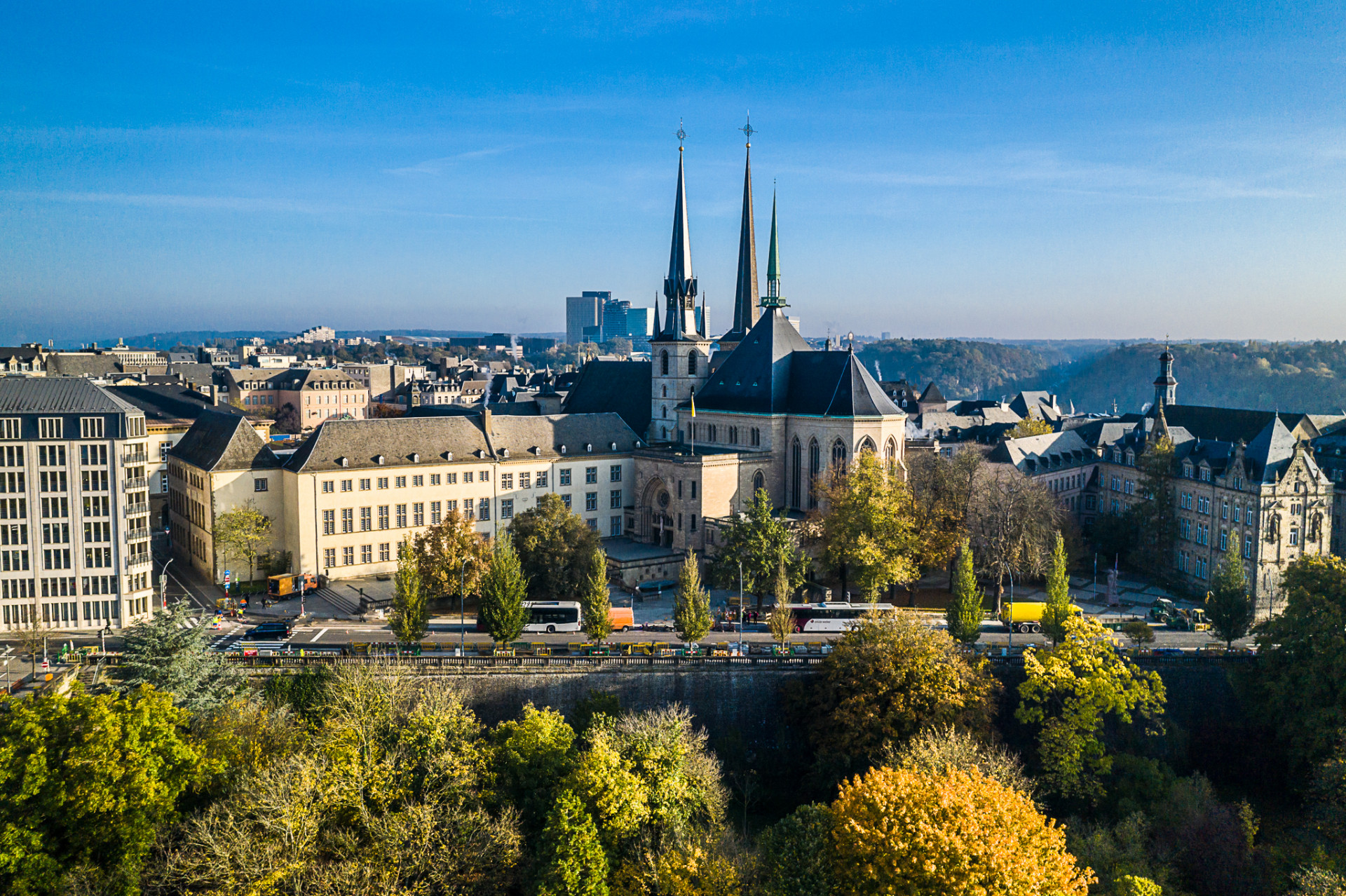 |
| Cathedral Notre-Dame de Luxembourg - Source |
Day 2
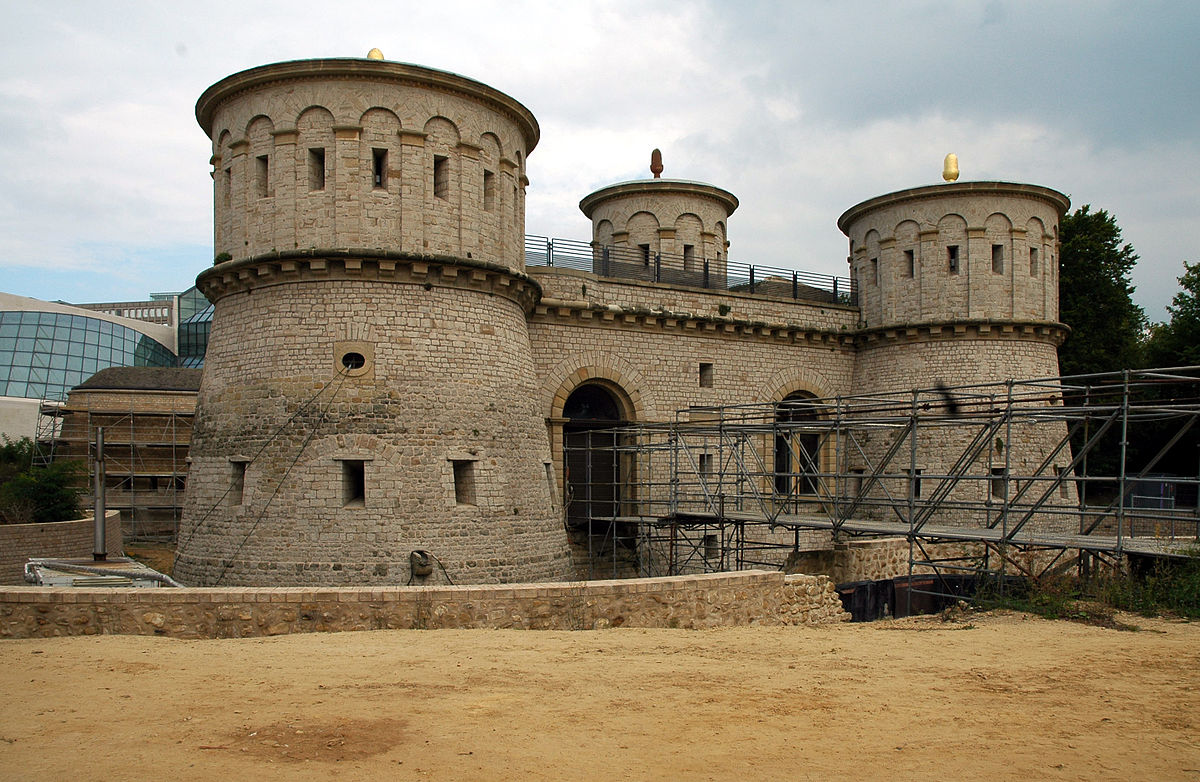
On our second (and, unfortunately, last) day, we visited Fort Thüngen. Although much of it was destroyed, three towers and the foundation walls have been restored. On the other side stands the Musée d’Art Moderne Grand-Duc Jean, built on top of the old foundations. As usual, the fort is located on high ground, so it offers beautiful views over the city.
Afterward, we wanted to visit one of the EU institutions. At one of the European Parliament buildings, there’s an Europa Experience Centre—an interactive exhibit that explains how the EU works and how the Parliament, Commission, and Council shape our future. Although small, it was packed with information (especially welcome for someone like me, who admits to knowing little about how EU politics work). Security to enter was airport-style, which makes sense for such an important institution. The best part: it’s free for all EU citizens, accessible with just an ID card, and information is provided in 24 European languages.
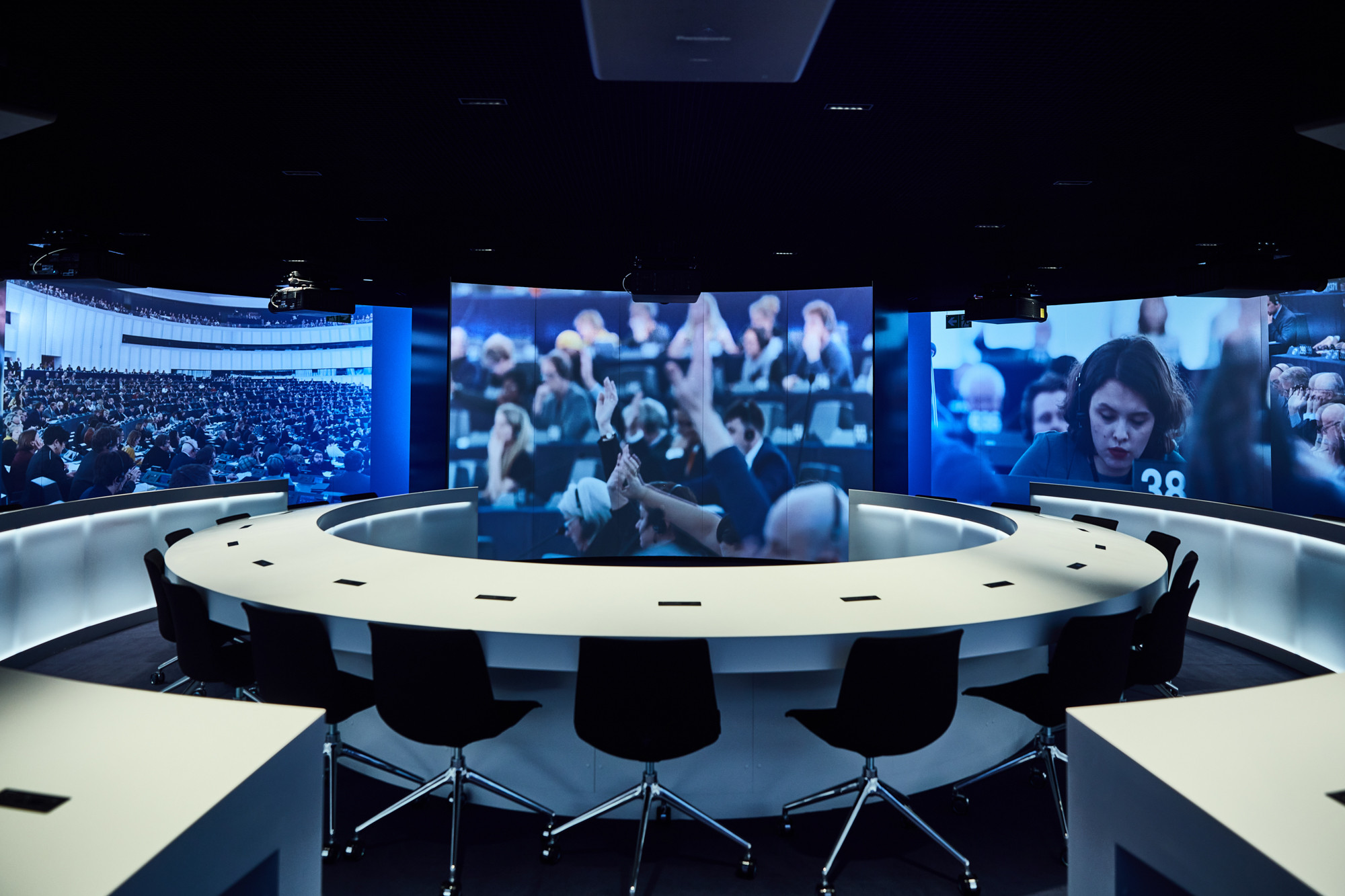 |
| Europa Experience Luxembourg - Source |
Final Reflections
I would absolutely recommend visiting Luxembourg. It’s beautiful, clean, and simply amazing (although, admittedly, expensive). I’m already looking forward to returning someday (though it may be a while—but one can dream). I can completely imagine living here.
Why Some Cities Feel Calmer: The Science Behind Urban Serenity
Have you ever stepped into a city and instantly felt a wave of calm, like the noise inside your mind suddenly dialed down? After two days in Luxembourg, I realized that some places genuinely feel different—and for introverts and sensitive souls, those differences often make all the difference.
Here’s what I’ve learned about why certain cities—like Luxembourg—exude tranquility, and how you can spot (or even seek out) these peaceful urban havens for yourself.
The Power of Design and Green Spaces
Modern research suggests that the way a city is designed directly influences our sense of peace. Wide sidewalks, ample seating, parks nestled between old buildings, and tree-lined boulevards all help buffer sensory overload. In Luxembourg, the historic city center is wrapped in green parks and riverside walks. More than 1,000 years old, the city weaves trees into its very heart, softening even its stoniest streets.
- Parks and open green spaces reduce stress and help regulate emotional energy.
- Trees create a natural “visual rest” from urban clutter.
- Access to nature—even small green pockets—makes city life less overwhelming.
Human Scale and Walkability
Luxembourg feels gentle because it’s built for people, not just cars. Distances are manageable, streets aren’t overwhelmingly wide, and traffic is often subtle or even absent in pedestrian zones.
- Compact layouts reduce the need for rushing.
- Walkable neighborhoods invite slow exploration and curb the urge to hurry.
- Clear signage and public transport that’s free and easy to navigate make it simple to get around, lowering “decision fatigue.”
Light, Sound, and Movement
Some settings set off our alarms (flashing billboards, sirens, relentless background noise). Others, like Luxembourg, seem to keep stimulation more balanced: sounds are muted, lighting is soft in public areas, and even busy squares have space to breathe.
- Traffic and construction noise is managed through careful city planning.
- Outdoor concerts fill squares with music, but there are always benches and green spaces nearby if you need a sensory break.
- Public art and fountains invite moments to pause rather than rush through.
Cultural Norms and Social Dynamics
A city’s overall “mood” also trickles down to its people. In Luxembourg, friendliness shows up quietly—gentle smiles, space given but help offered when needed. There’s an unspoken respect for privacy and a shared understanding of personal boundaries.
- Social interactions are respectful, rarely intrusive.
- Guides and public helpers offer information but aren’t pushy.
- A high level of mutual respect seems woven into daily life and civic activities.
Takeaways: Finding Your Calm in Any City
If you’re an introvert or sensitive traveler, here are practical ways to spot serene urban spaces:
- Look for cities with extensive parks, riversides, or nature reserves connected to the center.
- Prefer walkable areas and streets designed for people first.
- Seek out communities where it’s common to greet each other quietly or simply nod—a sign of friendly, but low-pressure, social norms.
- Check out free or low-cost public amenities that promote wellbeing (green trams, park concerts, water fountains).
- Trust your first impression: when a place feels right, it usually is.
Luxembourg isn’t just a pretty destination—it’s a living example of urban serenity. Here, you don’t have to work so hard to find peace; the city almost invites you to exhale.
What makes a city feel tranquil for you? I’d love to hear your experiences in the comments or connect on social—let’s build a guide to the world’s most peaceful places, together.
Comments
Post a Comment